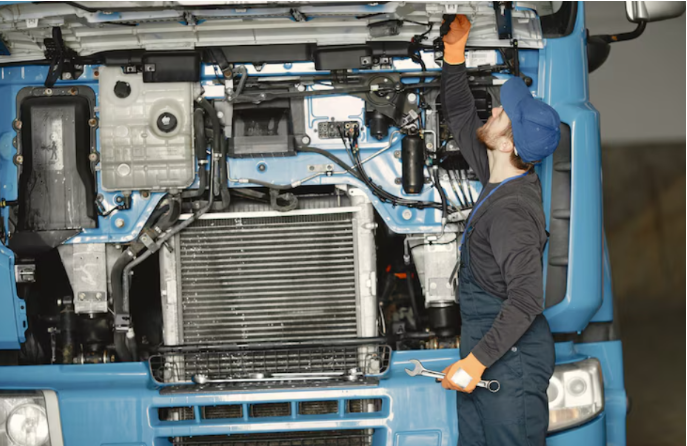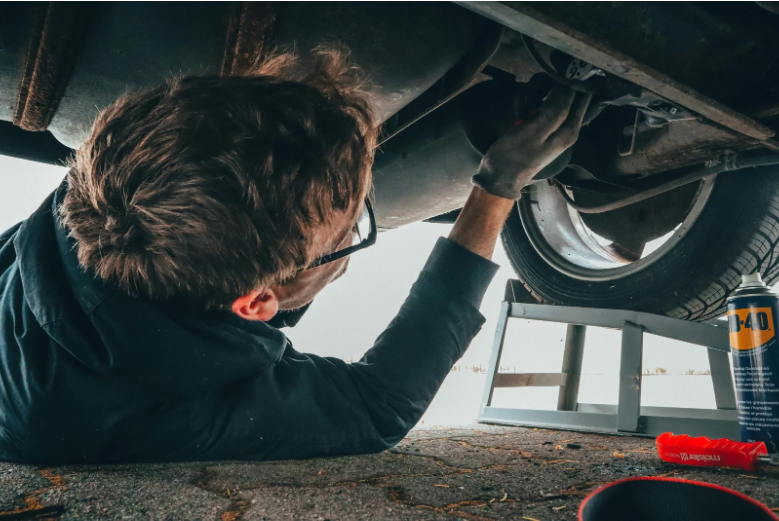
Keeping a vehicle running reliably does not require extensive mechanical knowledge, just consistent attention to a few key practices. Simple, proactive habits can significantly extend a vehicle’s lifespan while preventing many common, costly repair issues. Exploring these practical tips helps every vehicle owner approach ownership with greater confidence and fewer unexpected surprises. Exploring these tips helps every owner approach maintenance with more confidence.
Why Simple Habits Make a Significant Difference
Consistent attention to basic vehicle care prevents many of the common issues that lead to costly, unexpected repairs. Small habits, practiced regularly, often provide more protection than occasional, more intensive maintenance efforts. Understanding this cumulative effect helps owners appreciate why simple, consistent practices matter so significantly. Recognizing this value encourages more diligent, proactive vehicle care habits. This cumulative effect encourages more diligent, proactive vehicle care habits. Many experienced owners credit these small habits with years of reliable service.
Essential Car Maintenance Tasks Every Owner Should Follow
Basic car maintenance, including regular oil changes, tire rotations, and fluid checks, significantly extends vehicle lifespan and reliability. Monitoring tire pressure and tread depth helps ensure safe handling and prevents uneven, premature tire wear. Checking and replacing air filters periodically supports both engine performance and overall fuel efficiency. Following these fundamental practices consistently helps prevent many common, avoidable vehicle problems. Following these fundamentals consistently helps prevent many common, avoidable problems.
Understanding Your Vehicle’s Maintenance Schedule
Consulting the owner’s manual provides manufacturer-specific guidance on recommended service intervals for a particular vehicle model. Following this schedule, rather than relying on general assumptions, ensures maintenance aligns with a vehicle’s specific engineering requirements. Setting reminders for upcoming service milestones helps prevent important maintenance tasks from being overlooked. This structured approach supports more consistent, reliable vehicle care over time. This structured approach supports more consistent, reliable vehicle care.
Simple Checks That Prevent Bigger Problems
Regularly checking fluid levels, including oil, coolant, and brake fluid, helps catch potential issues before they cause significant damage. Listening for unusual noises during regular driving provides an early warning system for developing mechanical issues. Paying attention to dashboard warning lights and addressing them promptly prevents minor issues from escalating. These simple checks require minimal time but provide significant protection against larger, costlier problems. These simple checks provide significant protection against larger, costlier problems.
Building Maintenance Into a Regular Routine
Scheduling routine service appointments in advance helps ensure maintenance happens consistently rather than being repeatedly postponed. Keeping a simple maintenance log helps track completed services and anticipate upcoming needs more effectively. Working with a trusted mechanic builds a valuable relationship for addressing both routine and unexpected vehicle needs. This consistent routine helps vehicle owners avoid unnecessary stress and unexpected repair expenses. This consistent routine helps owners avoid unnecessary stress and expense.
Conclusion
Simple, consistent maintenance habits significantly extend vehicle lifespan while preventing many common, avoidable repair issues. Following a structured maintenance routine helps owners catch small problems before they become significant, costly concerns. With these practical habits in place, vehicle owners can enjoy more reliable performance and greater peace of mind on the road. This consistent discipline ultimately protects both safety and long-term vehicle value. This diligence pays off across many years of dependable driving. This small investment of time protects both safety and long-term reliability.